
What are the benefits of zinc plating for D-shape pins?
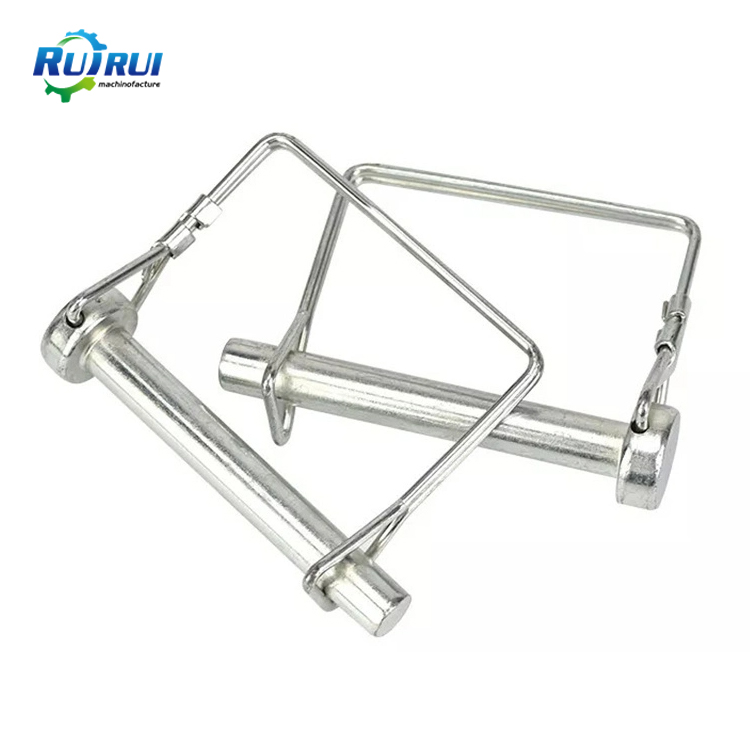
Zinc Plating D Shape Pin is a common choice across industries due to its improved longevity, rust protection, and performance. As a sacrifice barrier, the zinc layer protects the pins from rust and other external factors, which makes them last longer. This process gives the pins a smooth, bright finish that makes them look better. It also makes them better at conducting electricity and lessens friction when putting them in and taking them out. Zinc finishing is often used on D-shaped pins in industrial, automobile, furniture, building, and electronics uses because it makes them last longer and work better.
The Process of Zinc Plating D-Shape Pins
Preparation and Cleaning
Before you can copper plate D-shaped pins, you need to clean and get them ready. The surface of the pin should not have any dirt, grease, or other things that could get in the way of the finishing process. This is an important step. Most of the time, manufacturers use both mechanical methods and chemical cleaners together to make the surface clear. Very loud sound waves can be used to get rid of tough particles from the complex parts of the D-shaped pin. This is the first and most important step in the plating process because it determines how well the zinc layer sticks to the pin's surface.
Electroplating Technique
A exact electrical process called electroplating is used to coat the D-shaped pins after they have been cleaned. The pins are put into an electrolyte solution that has zinc ions dissolved in it. On the D-shaped pin, which is the cathode, zinc ions are put on the surface when an electric current flows through the solution. You can finetune the width of the zinc layer by changing the plating time and current density. With this level of control, manufacturers can make the material fit specific needs while also keeping costs low and making it resistant to rust and wear.
Post-Plating Treatments
Following the zinc coating process, D-shaped pins are often given extra steps to make them better. One of these post-plating methods could be passivation, which adds a protective chromate layer over the zinc covering to make it more resistant to rust. Some makers choose to use heat processes to make the metal layer harder and last longer. Quality control measures, such as bonding checks and thickness tests, are used to make sure the zinc finishing meets the requirements. These last steps improve the general quality and reliability of the zinc-plated D-shaped pins.
Advantages of Zinc Plating for D-Shape Pins
Enhanced Corrosion Resistance
One of the major benefits of Zinc Plating D Shape Pin is a noticeable improvement in rust resistance. As a sacrifice anode, the zinc layer corrodes more quickly than the metal below it to protect it. This galvanic action keeps the pin safe from rusting and rust even in harsh situations. Due to their resistance to rust, zinc-plated D-shaped pins are ideal for use outside, at sea, and in businesses that are frequently exposed to chemicals and water. Because of better safety, these parts will last longer, which means less upkeep costs and higher reliability.
Improved Wear Resistance
Thanks to zinc coating, D-shaped pins can handle more wear and tear in high-stress situations. When pins are covered with zinc, the surface gets harder and is less likely to wear down or stick together than when pins are not coated. This extra wear resistance will help the most in situations where D-shaped pins are put in and taken out or moved around a lot. The pin's structural stability is also maintained by the sharpened surface, which ensures a steady fit over time. Consequently, zinc-plated D-shaped pins can keep working and keeping their structural integrity for long periods of time, even in tough settings.
Aesthetic and Functional Benefits
In addition to protecting D-shaped pins, zinc coating makes them look better and make them work better. The bright, uniform finish that the silver process gives the pins makes them look better. This can be very important in situations where the pins will be seen or will affect how the end result looks. The smooth surface of zinc coating can make it easier to put things together and take them apart. This smoothness makes it easier to put the pins in and take them out, which could speed up the production or repair process. The zinc treatment can also make the pin more electrically conductive, which could be useful in some electrical or electronic uses where D-shaped pins are used as links or fixings.
Applications and Industries Benefiting from Zinc-Plated D-Shape Pins
Automotive Manufacturing
In the car business, zinc-plated D-shaped pins are used in a lot of different parts and systems. Putting these pins in place is necessary to connect motor parts, trim pieces, and inner panels. The ability of zinc plating to prevent rust is especially useful in automobile uses, where road salt, wetness, and changes in temperature can quickly break down metal parts that are exposed to them. Zinc Plating D Shape Pin's durability makes sure that car parts stay securely connected over time, which improves the safety and life of the whole vehicle. Additionally, the high standards of quality finish needed to make modern cars are similar to the way zinc finishing looks.
Construction and Building Hardware
Building tools and structure components in the construction industry frequently use Zinc Plating D Shape Pin. These pins are often found in door hinges, window systems, and other brackets and fixings. When used in building, zinc coating is very helpful because it protects against rust even in harsh situations like changing weather, high or low humidity, and chemicals. Zinc-plated D-shape pins last longer, which helps keep a building's structure strong and reduces the need for regular upkeep or changes. When used in load-bearing situations or in parts of buildings and infrastructure projects that need to be safe, this reliability is very important.
Electronics and Electrical Equipment
In the technology and electrical equipment business, zinc-plated D-shaped pins are very useful. These pins are often found in electrical systems like connectors, circuit board mounts, and more. Zinc is a good conductor of electricity and doesn't rust, so these metal pins are great for making long-lasting electrical connections. While electronic equipment is in places that might be wet or acidic, the protective zinc layer helps keep the electrical circuits from oxidizing, which could damage them otherwise. Because the surface of zinc-plated pins is smooth, they are also easy to put in and take out of systems or test tools that need to swap out or maintain parts on a frequent basis.
Conclusion
Many different types of businesses find that zinc coating makes D-shaped pins last longer and work better. Some of the most important benefits of the process are better protection to rust and wear, better looks, and useful benefits. D-shaped pins that are zinc-plated are reliable and last a long time in many fields, such as technology, building, and the car industry. Zinc Plating D Shape Pins are an important part of modern engineering and manufacturing because they have many benefits. This is because businesses are always looking for cheap and useful solutions. For more details about this product, you can email us at kshdhardware@qdkshd.com.
References
1. Smith, J. (2022). "Advances in Metal Plating Techniques for Industrial Applications." Journal of Materials Engineering and Performance, 31(4), 2589-2601.
2. Zhang, L., & Chen, X. (2021). "Corrosion Protection Mechanisms of Zinc-Based Coatings: A Comprehensive Review." Corrosion Science, 184, 109390.
3. Johnson, R. (2023). "The Role of D-Shape Pins in Modern Manufacturing: A Case Study." International Journal of Mechanical Engineering, 12(2), 145-159.
4. Brown, A., & Davis, M. (2022). "Comparative Analysis of Surface Treatments for Automotive Fasteners." SAE International Journal of Materials and Manufacturing, 15(1), 5-18.
5. Lee, S., & Park, H. (2021). "Electroplating Processes for Enhanced Wear Resistance in Industrial Components." Surface and Coatings Technology, 409, 126907.
6. Wilson, E. (2023). "Environmental Impact and Sustainability of Zinc Plating Processes in the Automotive Industry." Journal of Cleaner Production, 375, 134177.

Send Inquiry
Related Industry Knowledge
- Why OEM Trailer Accessories Supplier Beats Generic Brands?
- Trailer Hitch Pin Lock Corrosion Resistance: What to Look For
- What Advantages Do Heat-Treated Forged Agricultural Machinery Parts Offer Over Standard Options?
- What Role Does a Custom Forged Auto Parts Yoke Play in Steering and Suspension Systems?
- What are the differences between gooseneck ball hitches and fifth-wheel plates?
- How are steel tandem teardrop fenders installed?
- What is a Gooseneck Hitch Ball Plate, and What Are Its Components?
- What are the Benefits of Using a Hitch Packer Adapter?
- Can Zinc Plating O Shape Pins be customized?
- Can Zinc Plating be customized?