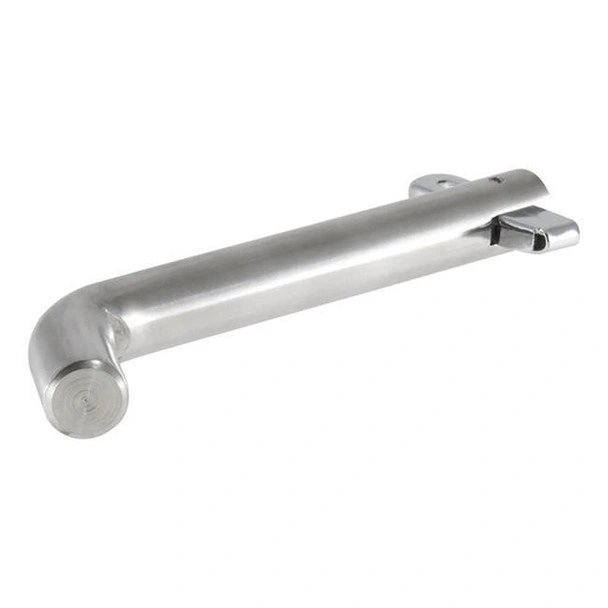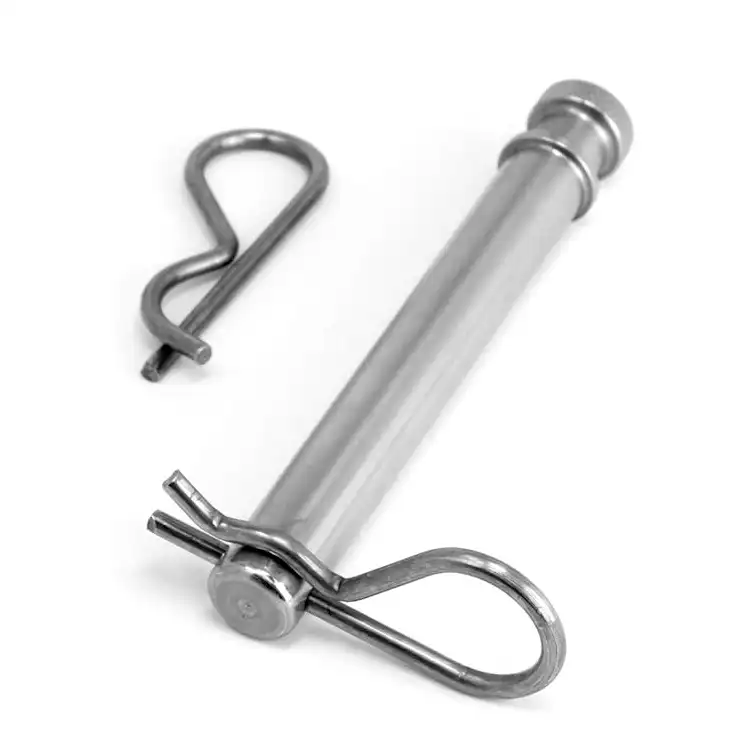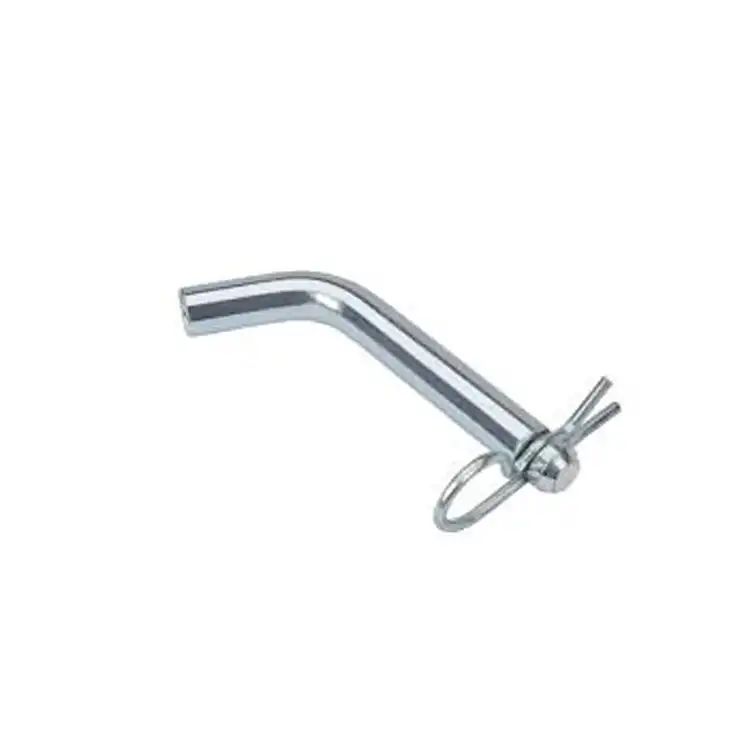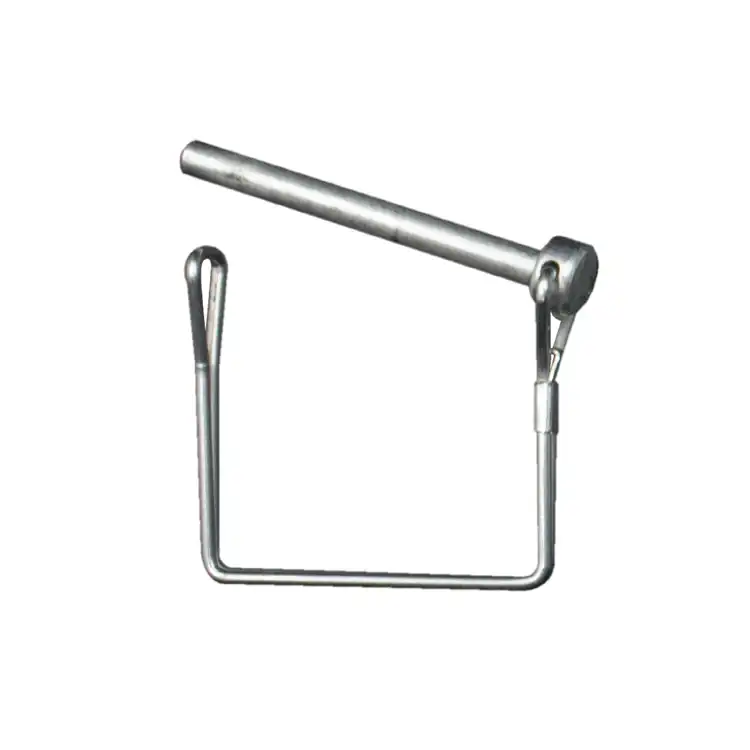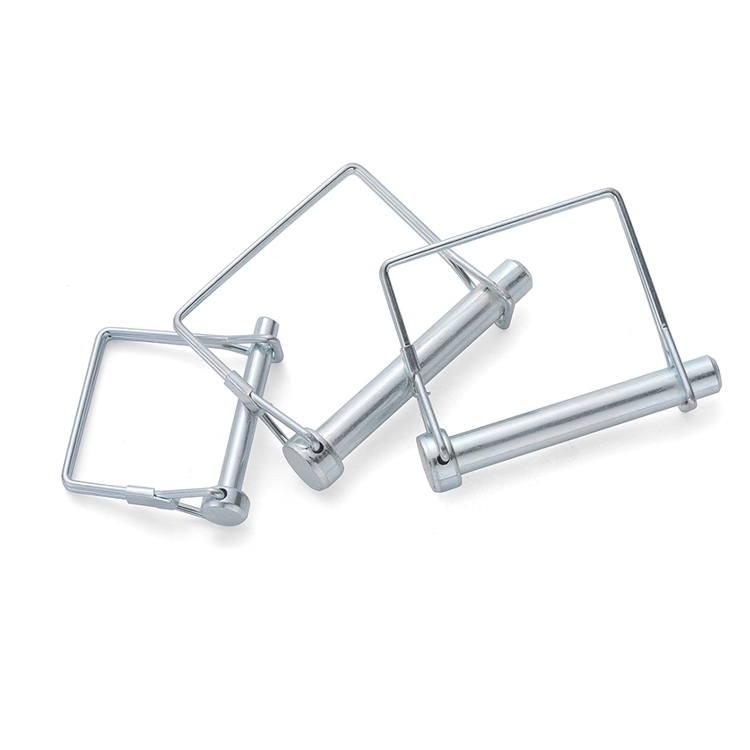
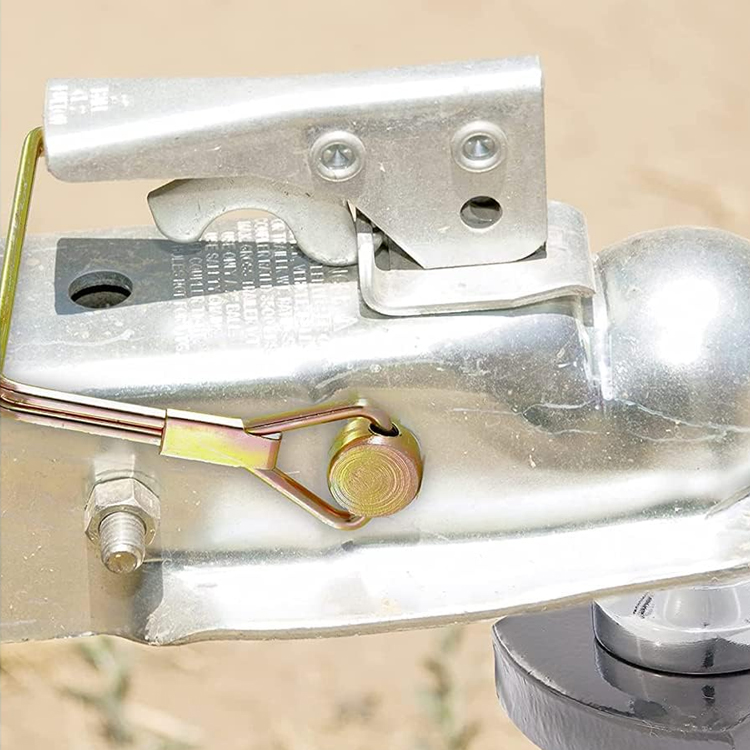
Trailer safety pin

- Fast Delievery
- Quality Assurance
- 24/7 Customer Service
Product Introduction
Trailer Safety Pin – Professional-Grade Towing Security Hardware
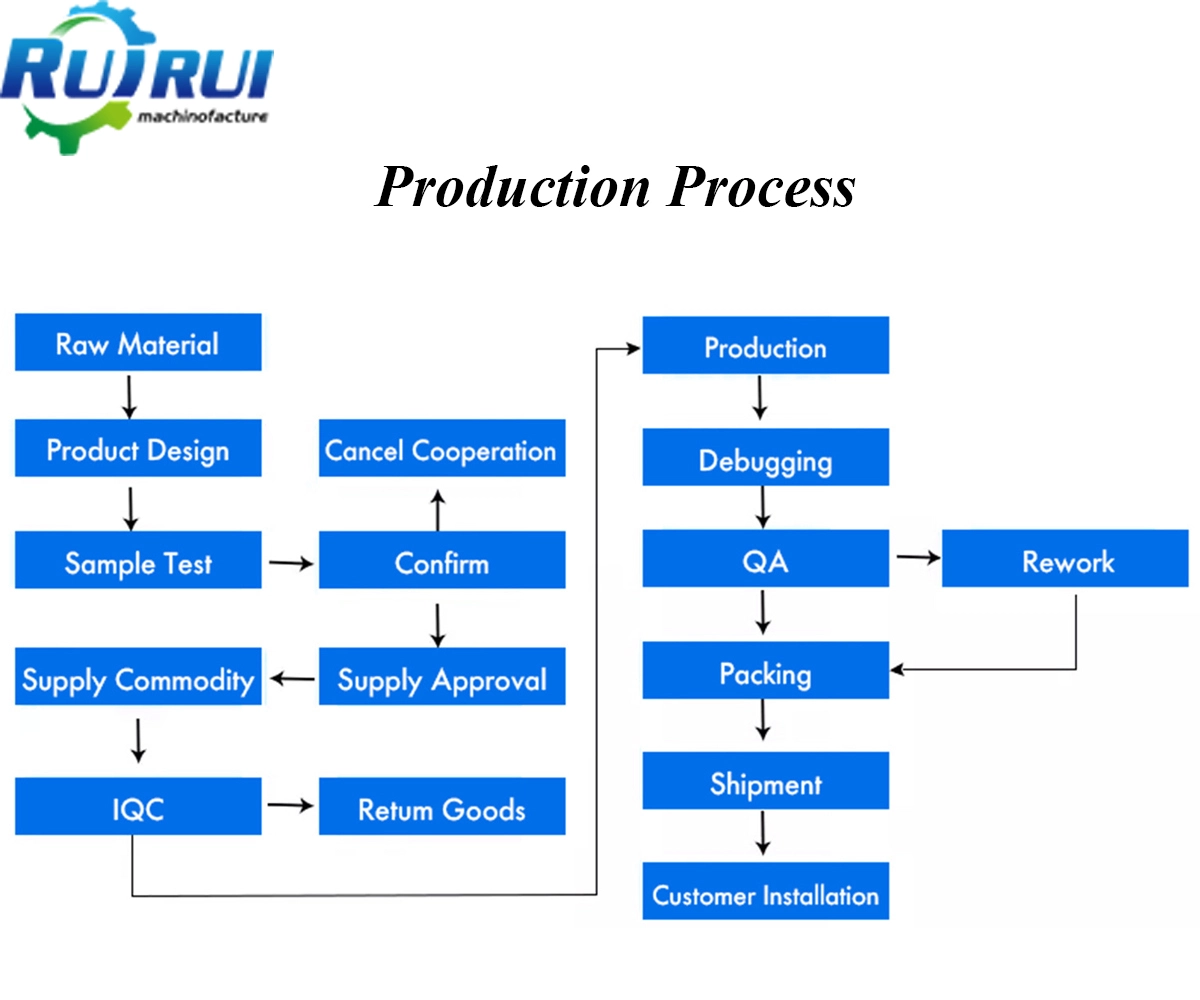
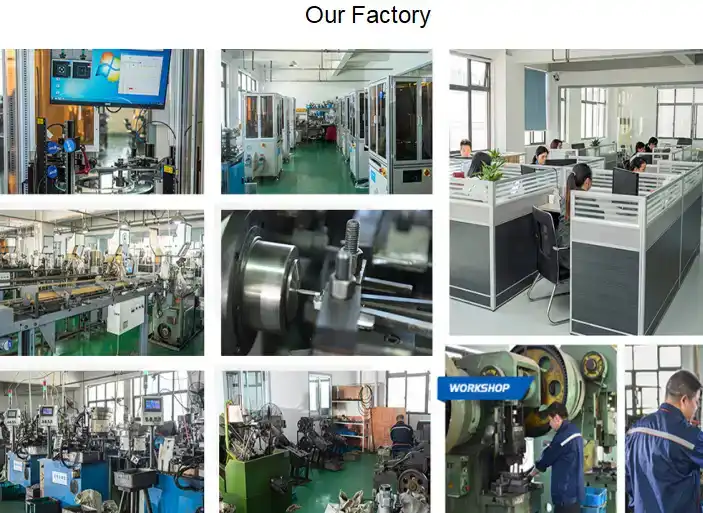
Qingdao Ruirui Machinofacture Co., Ltd. delivers enterprise-grade Trailer safety pin solutions with precision manufacturing standards refined since 2008. Our factory-direct generation guarantees MOQ of 1000pcs with full OEM/ODM customization capabilities. Each stick highlights cleaned wrap up sort through progressed CNC machining, accomplishing dimensional resistances of ±0.01mm. As a confirmed producer, Ruirui controls the total generation chain from crude fabric choice through last quality review. Our item lineup joins high-strength carbon steel and marine-grade stainless steel choices, with surface medicines tried to ASTM B117 measures surpassing 72-hour salt shower resistance. With 20+ a long time of equipment fabricating skill and ISO 9001:2015 certification, we give dependable auxiliary locking components for towing applications around the world.
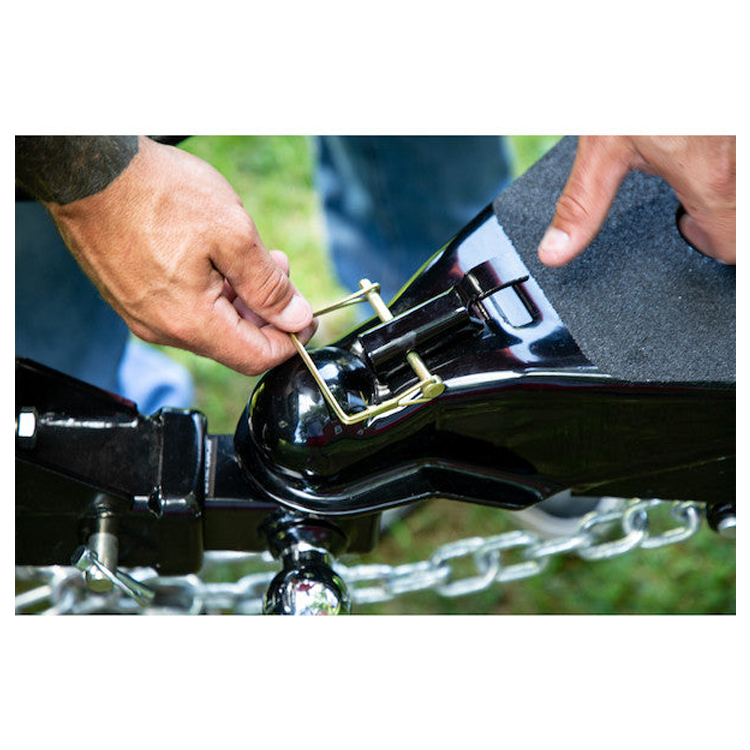
What Makes a Reliable Trailer Safety Pin
The product serves as your critical fail-safe device in towing systems. This component prevents accidental decoupling of hitch couplers, pintle hooks, and receiver tubes during transit.
Unlike primary locking mechanisms, this pin addresses specific industry challenges. It stops 'road walk' caused by vibration. It prevents catastrophic separation on rough terrain. It gives you visual confirmation of secure connections.
Quality matters tremendously here. Inferior pins seize from rust exposure. Weak retention springs lose tension over time. These failures make removal impossible or create dangerous holding gaps.
Your safety depends on proper material selection and manufacturing precision. That's where professional-grade specifications become essential.
Technical Specifications & Materials
Understanding the engineering behind your safety hardware helps you make informed procurement decisions.
Material Composition Standards
Manufacturing utilizes two primary material categories. High-strength Carbon Steel (1045 or 45# grade) provides maximum shear resistance for heavy-duty applications. Marine environments require 300-series Stainless Steel (304/316) to resist pitting corrosion from saltwater exposure.
Heat treatment processes achieve optimal hardness ratings. This balances strength with necessary flexibility in the retention mechanism.
Surface Treatment Options
Durability comes from advanced coating technologies. Yellow Zinc Dichromate plating offers economical corrosion protection. Hot-Dip Galvanizing provides superior longevity in harsh conditions. Zinc-Nickel alloy plating delivers premium salt spray resistance exceeding 500 hours.
Each treatment method matches specific application environments. Your choice depends on exposure conditions and replacement cycle preferences.
Critical Dimensions
|
Parameter |
Specification |
Application |
|
Pin Diameter |
1/4", 5/16", 3/8" |
Standard coupler compatibility |
|
Working Length |
2.5" - 4.5" |
Varies by hitch design |
|
Wire Thickness |
2.0mm - 3.5mm |
Determines retention strength |
|
Tolerance |
±0.01mm |
Ensures precise fit |
|
Shear Strength |
3,000 - 8,000 lbs |
Load capacity rating |
|
Coating Thickness |
8-15 microns |
Corrosion protection level |
The retainer wire requires high elastic memory. This prevents slop and accidental disengagement under vibration.
Design Variations for Different Applications
Different towing scenarios demand specific pin configurations.
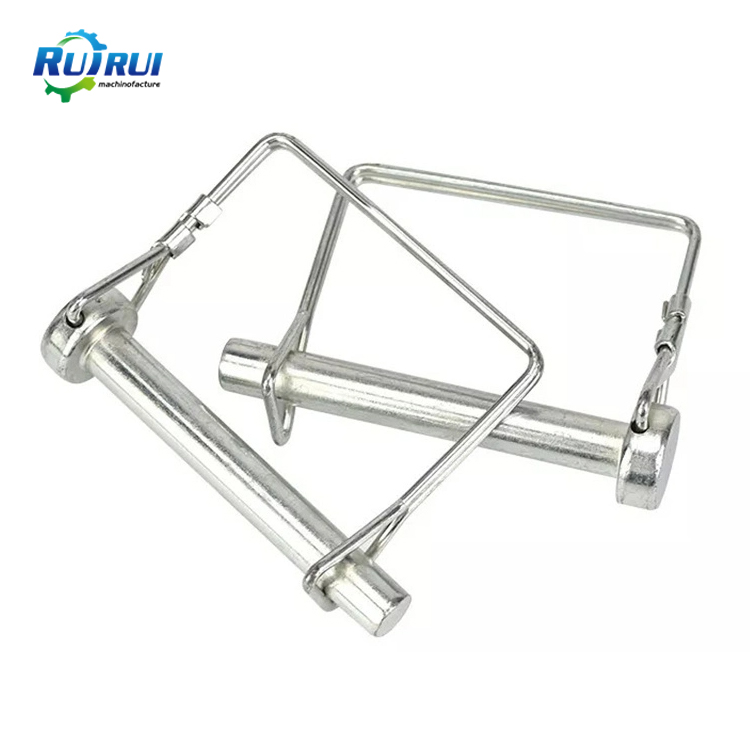
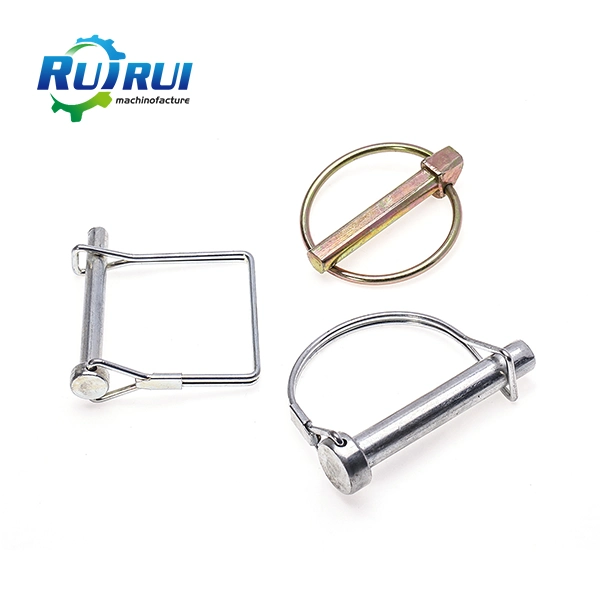
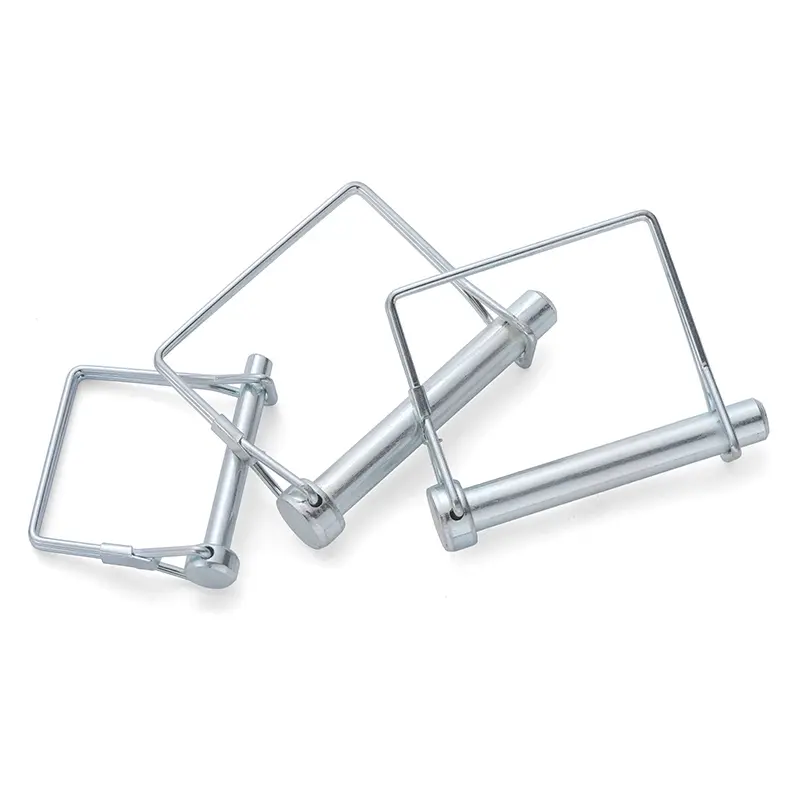
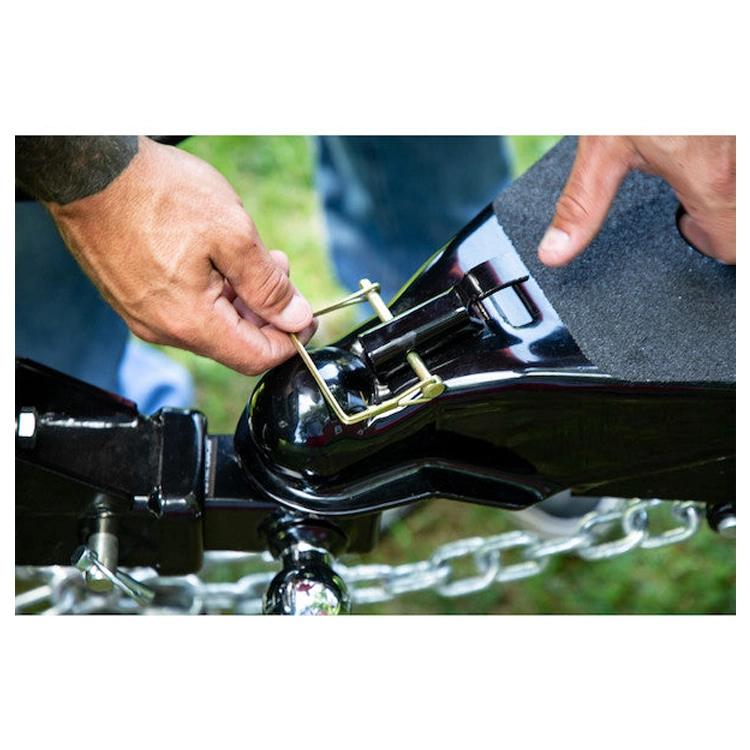
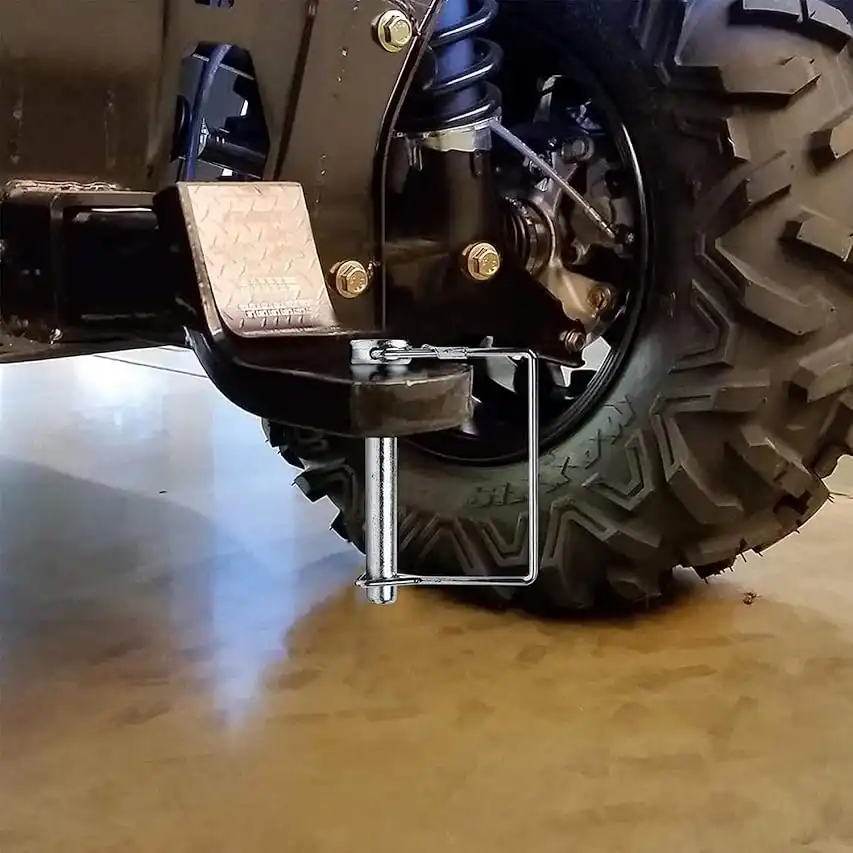
Square Wire Lock Pinsfeature angular retention loops. These provide maximum security for heavy-duty latches experiencing constant vibration. The squared design creates multiple contact points that resist rotation.
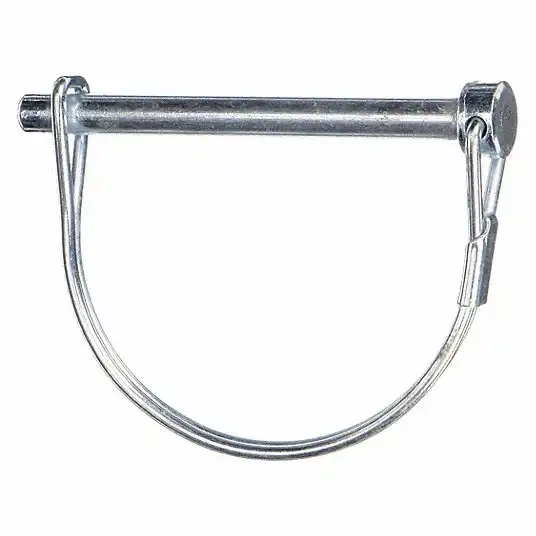
Round Wire Lock Pinsoffer ease of operation. Users appreciate the smooth insertion and removal process. This design suits general-purpose applications with moderate load requirements.
Quick-Release Ball Detent Pinsincorporate internal spring mechanisms. Push-button operation speeds up hitching procedures. However, these work best in low-vibration environments where convenience outweighs maximum security.
Your application environment determines the optimal design. Consider vibration levels, frequency of connection changes, and operator glove requirements.
Industry Applications & Use Cases
Professional sectors rely on the product components across diverse operational contexts.
Marine Logistics Operations
Boat trailer towing creates unique challenges. Surge forces during braking stress coupler connections. Hypersaline environments accelerate corrosion processes that can fuse pins to couplers.
Stainless steel construction with enhanced coating systems addresses these conditions. Regular inspection protocols prevent galvanic corrosion issues.
Heavy Construction & Flatbed Haulage
Pintle hooks and equipment ramps handle extreme loads. High-amplitude, low-frequency vibrations from machinery transport test retention mechanisms constantly.
Heavy-duty spring-tensioned designs wrap securely around pin shanks. This prevents vibration-induced release that could cause catastrophic accidents.
Agricultural Implement Attachment
Three-point hitches and PTO shafts operate in abrasive environments. Mud, dust, and crop debris challenge pin functionality.
Oversized grip rings enable operation with heavy work gloves. High shear resistance withstands sudden torque loads from implement engagement.
Quality Control Standards
Procurement professionals need rigorous inspection protocols to verify Trailer safety pin reliability.
Dimensional Accuracy Verification
Go/No-Go gauges check pin diameter precision. Clearance measurements ensure compatibility with SAE J684 coupler tolerances. Proper fit prevents both excessive play and binding issues.
Corrosion Resistance Testing
ASTM B117 salt spray testing validates coating integrity. Standard industrial grades withstand minimum 72-hour exposure without red rust. Marine applications require 500+ hour performance ratings.
Our laboratory conducts batch testing on every production run. Documentation accompanies shipments for your quality records.
Spring Tension & Fatigue Analysis
Retention wire clips undergo thousands of cycle tests. These measure elasticity loss over operational lifespan. Failure here means pins could vibrate loose during transit.
Acceptance criteria ensure consistent tension throughout expected service intervals.
Shear Strength Validation
Hydraulic testing applies controlled force until failure. This verifies heat treatment achieved correct hardness without brittleness. While not primary load-bearing components, pins must withstand significant shear if primary latches fail.
Test results inform load rating classifications for proper application matching.
FAQ
Q: How do I select the correct diameter for my application?
A: Measure your coupler latch or receiver hole diameter accurately. Choose a pin with minimal play—typically 0.5mm clearance maximum. Undersized pins risk shear failure under impact. Oversized pins will seize in the hole over time.
Q: Can stainless steel pins be used with standard steel couplers?
A: Absolutely. This combination is common for corrosion resistance benefits. Monitor for galvanic corrosion in saltwater environments over extended periods. The pin's regular movement usually prevents seizing issues.
Q: What differentiates Wire Lock Pins from Detent Pins?
A: Wire Lock designs use external spring wire that mechanically surrounds the pin body. This offers highest security against vibration in heavy towing. Detent Pins feature internal springs and ball bearings for faster operation but provide less security under high-vibration conditions.
Q: Why would a safety pin shear off during use?
A: Shear failure typically indicates your primary locking mechanism failed first. This transfers the full tow load to the safety pin beyond its design capacity. Always verify your primary hitch components meet load ratings. The pin functions as a secondary retention device, not a structural load bearer.
Q: Do these pins have an expiration date or cycle life?
A: No fixed date exists, but monitor spring memory degradation. If the wire loop no longer snaps firmly against the pin head or offers minimal opening resistance, replace immediately. Loss of retention tension creates risk of road loss during operation.
Q: What's your lead time for custom OEM orders?
A: Prototype development takes 1-2 weeks with our dedicated engineering support. Mass production runs complete in 4-7 weeks depending on order volume and specifications. We provide DFM analysis within 48 hours of receiving your CAD files.
Contact Us
Get factory-direct pricing with 20-30% cost savings on your Trailer safety pin requirements. Our engineering team provides free design consultation and rapid quotation service.
Email us today: kshdhardware@qdkshd.com
Send Inquiry